Prolonging the Lifespan of Your Tires

Tires & Wheels · Maintenance Guide

How to Make Your Tires Last Longer: 10 Proven Tips

By Mozammel HussainUpdated October 13, 20268 min read

As an Amazon Associate I earn from qualifying purchases. We may earn a commission if you buy through links on this page, at no extra cost to you. Learn more.

A set of tires is one of the bigger maintenance costs on any car, and how you look after them makes a real difference to how long they last. None of these habits take much time, and together they help your tires wear evenly, grip well and reach their full tread life.

Key takeaways

  • Check tire pressure monthly when the tires are cold.
  • Rotate every 5,000–7,500 miles and get an alignment when you see uneven wear.
  • Avoid hard acceleration, heavy braking and overloading.
  • Replace tires at 2/32 inch tread depth at the latest, and many experts suggest 4/32 inch for wet and winter safety.
In this guide
  1. 10 Ways to Extend Tire Life
  2. How to Check Tread Depth
  3. Don't Forget Tire Age
  4. Tools That Help Tires Last
  5. FAQ

10 Ways to Extend Tire Life
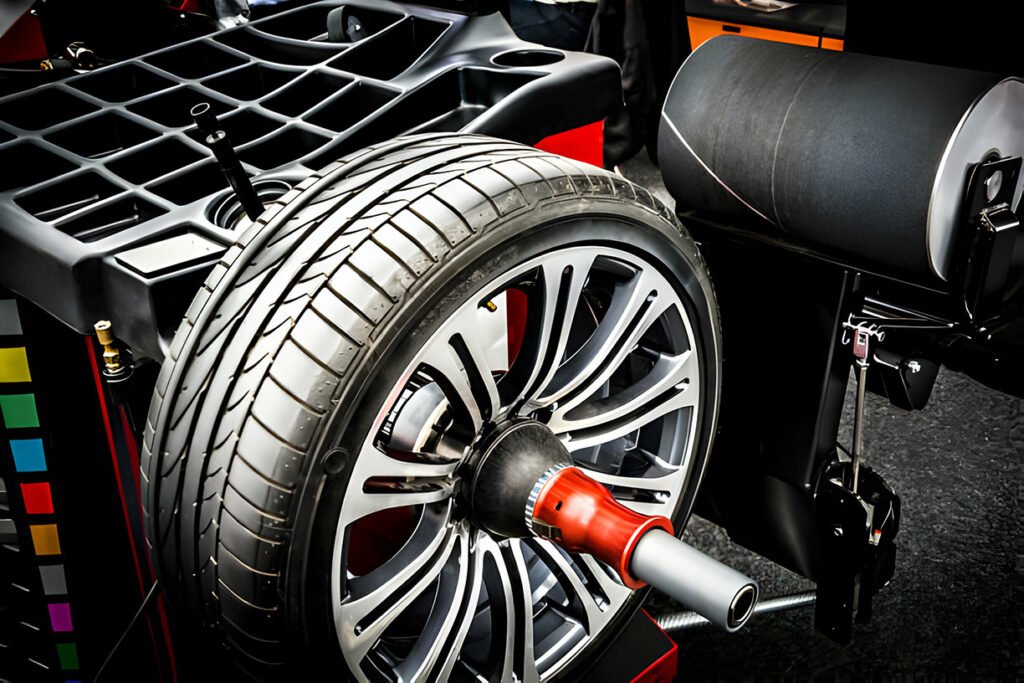
Alloy car wheel mounted on a wheel balancing machine in a garage
Balancing the wheels prevents vibration and uneven wear.
  1. Keep them properly inflated. Check pressure at least monthly with a gauge when the tires are cold. Use the pressure on the driver's door jamb sticker, not the sidewall maximum. Under-inflation wears the shoulders and builds heat; over-inflation wears the center.
  2. Rotate regularly. Follow your manual's interval, often every 5,000–7,500 miles, to spread wear across all four tires.
  3. Keep the alignment right. Get it checked after hitting a pothole or curb, after suspension work, and whenever you see uneven wear.
  4. Balance the wheels. Vibration at highway speeds usually means a wheel is out of balance, which causes patchy wear.
  5. Drive smoothly. Hard launches, fast cornering and heavy braking all scrub off tread.
  6. Don't overload the car. Stay within the load rating on the tire sidewall and the payload in your manual.
  7. Watch out for road hazards. Potholes, curbs and debris can damage sidewalls and knock the alignment out.
  8. Fix punctures properly. A professional plug-patch repair in the tread is safe; sidewall damage means replacement.
  9. Store seasonal tires correctly. Keep them clean, cool, dry and out of sunlight, stacked flat or hung if they're on wheels.
  10. Inspect them often. Look for cuts, bulges, embedded objects and uneven wear every time you fill up.

How to Check Tread Depth
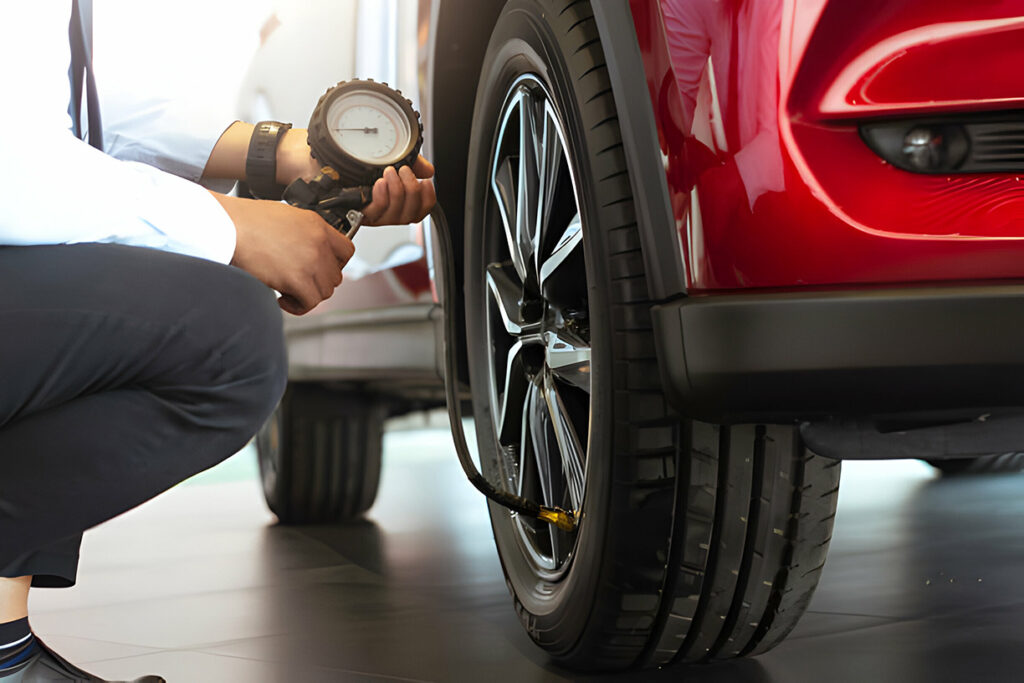
Asian man car inspection Measure quantity Inflated Rubber tires car
Measure tread in several grooves to spot uneven wear.

Tread depth is measured in 32nds of an inch. New car tires usually start around 10/32 to 11/32 inch. Most US states set the legal minimum at 2/32 inch, which is also where the built-in tread wear bars become flush with the tread. Many tire experts recommend replacing earlier, around 4/32 inch, if you drive in heavy rain or snow, because wet grip drops sharply as tread wears.

The quick penny test: put a penny into a groove with Lincoln's head pointing down. If you can see the top of his head, you're at or below 2/32 inch. A tread depth gauge is more accurate and lets you compare the inner, center and outer grooves.

Don't Forget Tire Age

Rubber ages even when the tread is fine. Check the DOT code on the sidewall: the last four digits show the week and year the tire was made (for example, 2324 means the 23rd week of 2024). Many vehicle and tire manufacturers recommend inspecting tires annually after about five years and replacing them by around 10 years old, regardless of tread. Look out for small cracks in the sidewall or between the tread blocks.

Tools That Help Tires Last

A few inexpensive tools make it easy to keep up with the most important habit: correct pressure.

  • Check pressure accuratelyAstroAI Digital Tire Pressure GaugeBacklit digital gauge reading up to 150 psi; easy to read in a dark garage.
    Check Price
  • Top up at homeAirmoto Portable Tire InflatorRechargeable inflator with a preset auto-stop pressure, small enough for the glovebox.
    Check Price
  • Track tread wearGODESON Color-Coded Tread Depth Gauge (2-pack)Color bands show green, yellow and red tread depth at a glance, in 32nds of an inch.
    Check Price
  • Roadside puncture backupRhino USA 86-Piece Tire Plug KitUseful for temporary tread punctures; have the tire inspected and properly repaired afterward.
    Check Price

Frequently Asked Questions

How long should tires last?

It depends on the tire, how you drive and how well you maintain them. Many all-season tires carry tread-life warranties of 50,000 to 80,000 miles, while performance tires often wear faster.

How often should I check tire pressure?

At least once a month and before long trips, with the tires cold. Pressure drops as the temperature falls, so check more often in cold weather.

When should I replace my tires?

Replace them at 2/32 inch tread depth at the latest, or around 4/32 inch if you often drive in rain or snow. Also replace tires with sidewall bulges, cuts or cracking, or that are about 10 years old.

Does tire rotation really make tires last longer?

Yes. Rotation evens out the different wear rates of the front and rear positions, so all four tires wear down together and last longer overall.

The Bottom Line

Pressure, rotation and alignment do most of the work. Check pressure monthly, rotate on schedule and fix uneven wear early, and your tires will last noticeably longer. Read more in our guides to tire rotation and common tire myths.

Mozammel Hussain

Mozammel writes maintenance guides and product research for My Auto Fix, focusing on tires and DIY car and powersports care. About our editorial process.

Leave a Comment

Your email address will not be published. Required fields are marked *