
Tires & TPMS · DIY Guide
How to Install and Calibrate a Tire Pressure Monitoring System
By Mozammel HussainUpdated October 13, 20269 min read
As an Amazon Associate I earn from qualifying purchases. We may earn a commission if you buy through links on this page, at no extra cost to you. Learn more.
Whether you're adding an aftermarket TPMS to an RV, trailer or older car, or replacing a failed factory sensor, the process is manageable once you know which type you have. Cap-style aftermarket kits are a true DIY job. Factory (OEM) sensors sit inside the wheel, so the tire has to come off the rim, which usually means a trip to a tire shop, but you can often handle the relearn yourself.
Key takeaways
- External cap sensors screw onto the valve stem and are easy to install yourself.
- Internal OEM sensors require dismounting the tire from the wheel.
- Most factory systems need a relearn after new sensors are fitted.
- Always set tires to the placard pressure before pairing or relearning.
Which Type of TPMS Are You Installing?
| Type | Where it fits | DIY difficulty |
|---|---|---|
| External cap-style kit | Screws onto each valve stem; separate display | Easy |
| Internal aftermarket kit | Inside the wheel, with a display | Needs tire dismounting |
| OEM replacement sensor | Inside the wheel; reports to the car's dash | Tire shop to fit, relearn often DIY |
Installing an Aftermarket Cap-Style TPMS
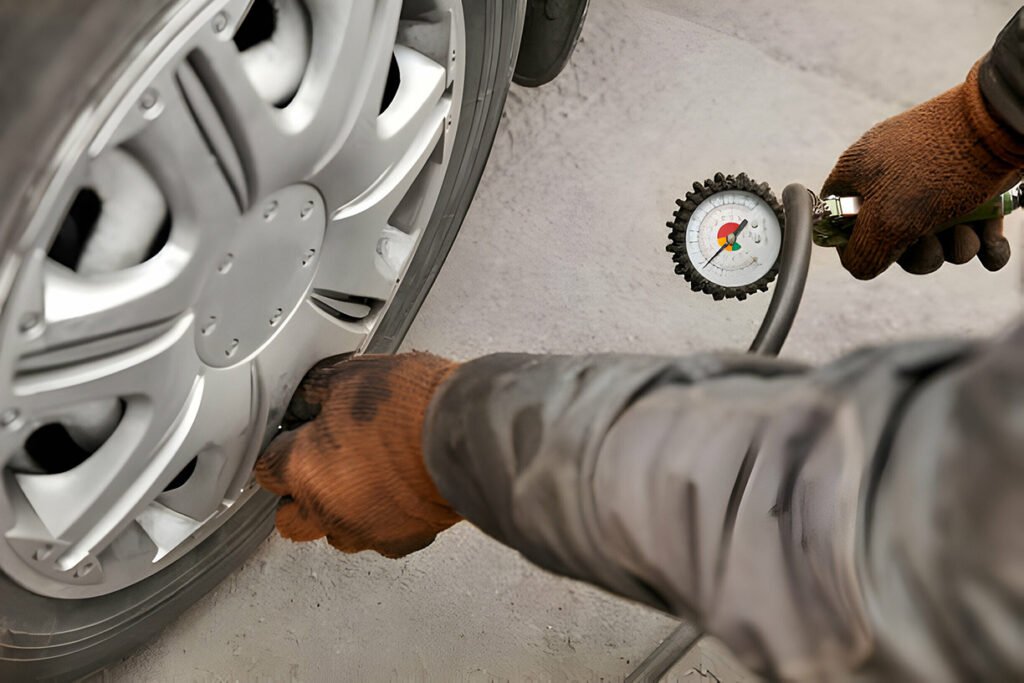
- Set the pressures. Inflate every tire to the recommended cold pressure before you start, because many kits use the first reading as a baseline.
- Pair the sensors with the display. Follow the kit instructions to assign each sensor to a wheel position (front left, front right and so on). Some kits come pre-paired and labelled.
- Fit the anti-theft nuts. Thread the locknut onto each valve stem first if your kit includes one.
- Screw on the sensors. Hand-tighten each sensor onto its labelled valve stem, then secure the locknut with the supplied wrench. Don't overtighten.
- Check for leaks. Spray soapy water on each sensor and watch for bubbles.
- Mount the display and set alarms. Place the display where it doesn't block your view, and set the high- and low-pressure alarm thresholds. RV and trailer kits may need a signal repeater for long vehicles.
Replacing OEM TPMS Sensors
- Buy the right sensor. Match the frequency (usually 315 or 433 MHz) and part number for your vehicle, or buy a programmable sensor and a tool that can program it.
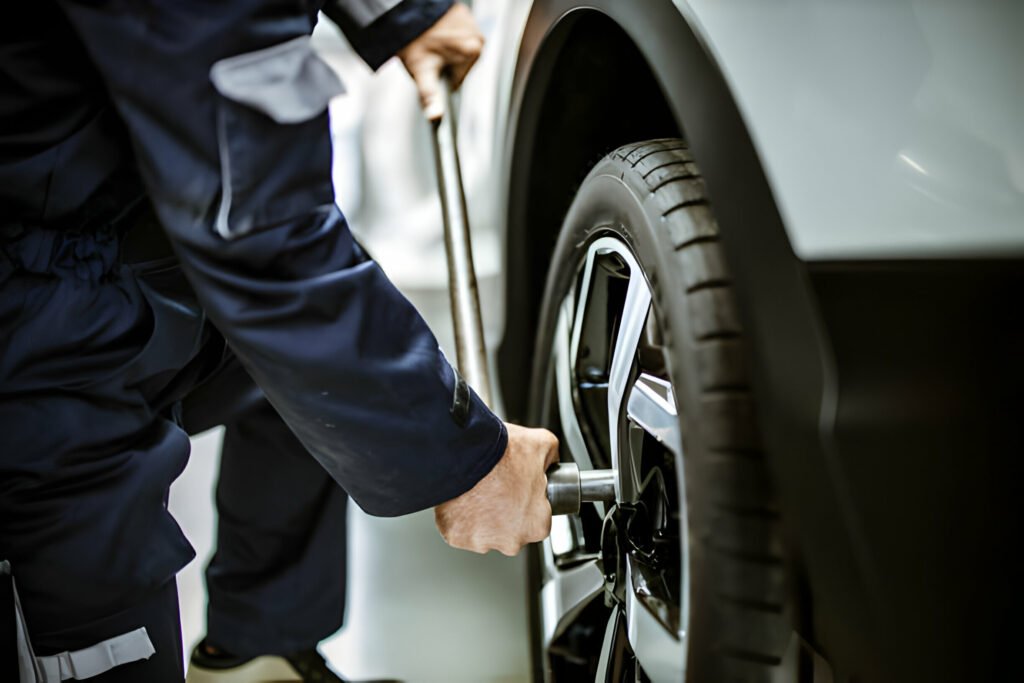
- Have the tire dismounted. The tire must be broken down from the rim to reach the sensor. A tire shop can do this quickly and avoid damaging the new sensor.
- Install with new seals. Use a new valve core, seal and nut, and torque the nut to the sensor maker's specification.
- Remount, inflate and balance. Inflate to the placard pressure and balance the wheel.
- Relearn the sensors. Use your car's relearn procedure (see below).
How to Calibrate and Relearn TPMS Sensors
Relearn methods fall into three groups. Your owner's manual or a service database will tell you which your car uses.
- Automatic: drive for about 10–20 minutes above a set speed and the car learns the new sensors.
- Stationary (manual): put the car in relearn mode using the key, buttons or a menu, then trigger each sensor in order with a TPMS tool or by deflating it slightly.
- OBD relearn: a TPMS tool reads the sensor IDs and writes them to the car's computer through the OBD-II port.
Cars with indirect TPMS don't have sensors; just inflate the tires correctly and use the reset button or menu.
Tools for TPMS Installation
These tools cover sensor activation, relearns and correct torque.
- Activate & relearnAutel MaxiTPMS TS501 PROActivates and reads TPMS sensors and performs relearns on many makes; shows sensor ID, pressure and battery status.Check Price
- GM-specific relearnVXDAS TPMS Relearn Tool (GM)Low-cost tool for the sensor relearn procedure on most GM vehicles; check fitment for your model.Check Price
- Set pressure firstAstroAI Digital Tire Pressure GaugeBacklit digital gauge reading up to 150 psi; easy to read in a dark garage.Check Price
- Wheel reinstallationEPAuto 1/2-inch Drive Click Torque Wrench (10–150 ft-lb)Click-type wrench that covers common lug-nut torque specs for cars and light trucks.Check Price
Frequently Asked Questions
Can I install TPMS sensors myself?
External cap-style sensors are easy to install yourself. Internal sensors require the tire to be removed from the wheel, which is best done by a tire shop, although you can often do the relearn yourself.
Do new TPMS sensors need to be programmed?
Many aftermarket sensors must be programmed to your vehicle's protocol, and most vehicles need a relearn so the car recognizes the new sensor IDs.
How do I reset TPMS after installing new sensors?
Follow your vehicle's relearn procedure: an automatic drive cycle, a stationary relearn with a TPMS tool, or an OBD-II relearn. Your owner's manual describes it.
Can I add TPMS to an older car or trailer?
Yes. Aftermarket kits with valve-cap sensors and a separate display work on almost any vehicle, including RVs and trailers.
The Bottom Line
Cap-style kits are a quick DIY upgrade for older cars, RVs and trailers; factory sensors need the tire dismounted but are easy to relearn with the right tool. Compare complete kits in our guide to the best tire pressure monitoring systems.
Related guides
Mozammel writes maintenance guides and product research for My Auto Fix, focusing on tires and DIY car and powersports care. About our editorial process.