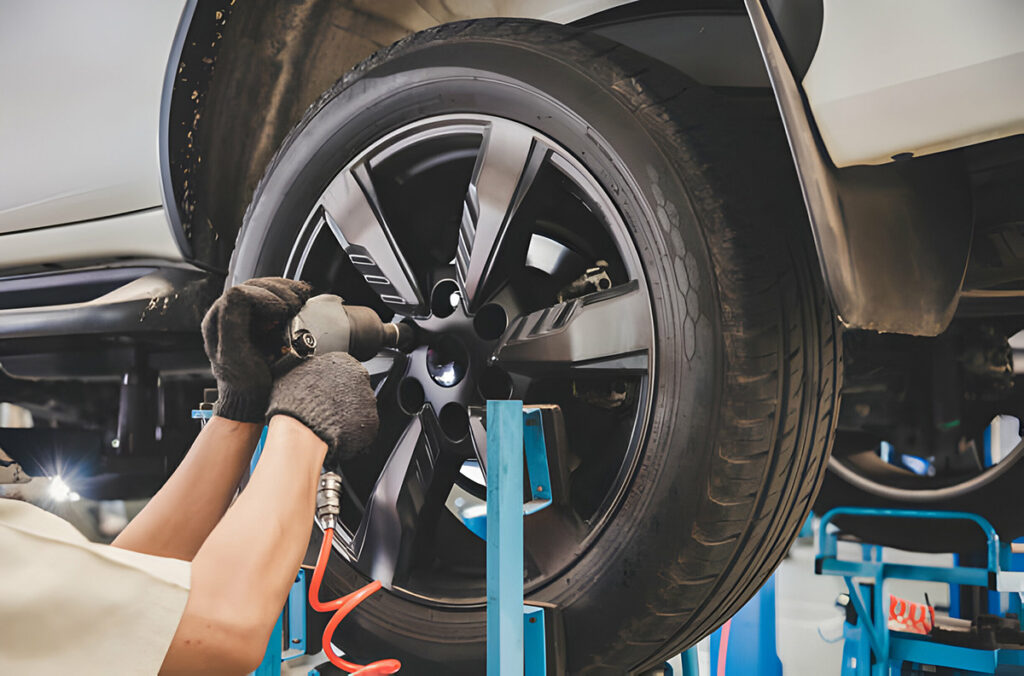
Mechanic removing a car tire in a repair shop

Tires & Wheels ยท Myth vs. Fact

9 Common Tire Maintenance Myths, Debunked

By Mozammel HussainUpdated October 13, 20267 min read

As an Amazon Associate I earn from qualifying purchases. We may earn a commission if you buy through links on this page, at no extra cost to you. Learn more.

A lot of tire advice gets passed around garages and forums that simply isn't true, and some of it can make your car less safe. Here are nine of the most common myths, what's actually true, and what to do instead.

Key takeaways

  • Inflate to the door-jamb placard, not the maximum on the sidewall.
  • If you buy only two new tires, they usually belong on the rear.
  • Check pressure with a gauge; you can't judge it by eye.
  • Tires age even with good tread; check the DOT date code.
In this guide
  1. The Myths
  2. Good Tire Habits Instead
  3. Simple Tools That Beat the Myths
  4. FAQ

The Myths

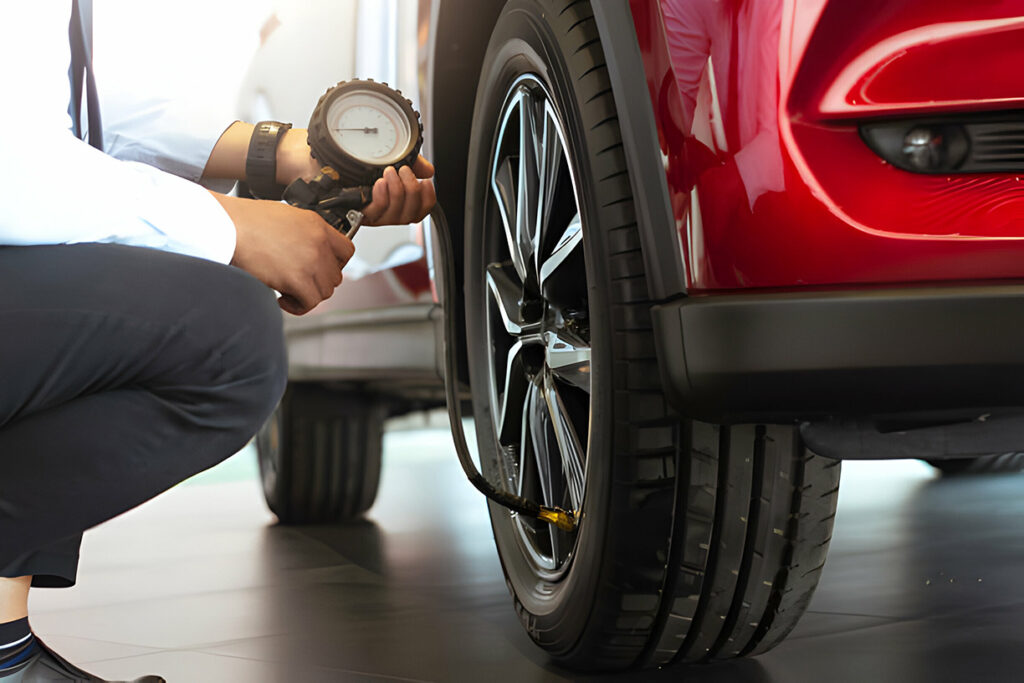
Asian man car inspection Measure quantity Inflated Rubber tires car
A gauge, not your eyes, is the only reliable way to check pressure.

Myth 1: Inflate to the number on the sidewall

Fact: The sidewall shows the tire's maximum pressure. The correct pressure for your car is on the placard in the driver's door jamb or in your owner's manual.

Myth 2: You can tell if a tire is low by looking at it

Fact: Modern radial tires can be 20% or more under-inflated and still look normal. Use a gauge, ideally monthly, with the tires cold.

Myth 3: New tires should always go on the front

Fact: Tire manufacturers generally recommend putting the two newest tires on the rear axle. Deeper tread at the back helps prevent the rear sliding out (oversteer) on wet roads, which is harder for most drivers to control than the front sliding.

Myth 4: TPMS means you never need to check pressure

Fact: TPMS in US vehicles is required to warn when a tire is about 25% below the recommended pressure. By then the tire is already well under-inflated, so manual checks are still important.

Myth 5: If the tread looks fine, the tire is fine

Fact: Rubber ages over time. Check the DOT date code and inspect for sidewall cracking; many manufacturers recommend replacing tires by around 10 years old regardless of tread.

Myth 6: 2/32 inch tread is safe enough

Fact: It's the legal minimum in most states, but wet braking distance increases significantly as tread wears. Many experts recommend replacing at about 4/32 inch if you drive in rain or snow.

Myth 7: Any puncture can be plugged

Fact: Only small punctures in the central tread area can be safely repaired, ideally with a combination plug-patch from the inside. Sidewall and shoulder damage means the tire must be replaced.

Myth 8: Lower pressure always gives better grip

Fact: On the road, under-inflation causes overheating, sloppy handling and faster wear. Airing down is only for specific off-road situations, and you should re-inflate before driving on pavement.

Myth 9: Nitrogen means you never need to top up

Fact: Nitrogen may leak slightly more slowly than air, but all tires still lose pressure over time and with temperature changes. Check it just as often.

Good Tire Habits Instead

  • Check pressure monthly and before long trips.
  • Rotate tires on schedule; see our tire rotation guide.
  • Get an alignment when you see uneven wear.
  • Measure tread depth, not just look at it.
  • Inspect for cuts, bulges and cracking.

Simple Tools That Beat the Myths

A few inexpensive tools replace guesswork with facts.

  • Accurate pressureAstroAI Digital Tire Pressure GaugeBacklit digital gauge reading up to 150 psi; easy to read in a dark garage.
    Check Price
  • Real tread depthGODESON Color-Coded Tread Depth Gauge (2-pack)Color bands show green, yellow and red tread depth at a glance, in 32nds of an inch.
    Check Price
  • Top up anywhereAstroAI L7 Cordless Tire InflatorCordless inflator with digital preset and auto shut-off for quick top-ups.
    Check Price

Frequently Asked Questions

Where do I find the correct tire pressure?

On the placard inside the driver's door jamb, or in your owner's manual. Don't use the maximum pressure printed on the tire sidewall.

Should new tires go on the front or back?

If you're replacing only two, most tire manufacturers recommend fitting the new tires on the rear axle for better stability on wet roads.

Does TPMS replace manual pressure checks?

No. TPMS warns when a tire is significantly under-inflated, about 25% below spec. Regular gauge checks catch smaller drops that still affect wear and fuel economy.

Is nitrogen in tires worth it?

It may slow pressure loss slightly, but you still need to check pressure regularly. For most drivers, properly maintained air works fine.

The Bottom Line

Use the door-jamb pressure, put new tires on the rear, check pressure with a gauge and don't trust tread alone. Those four habits avoid most tire mistakes. For more, see how to make tires last longer.

Mozammel Hussain

Mozammel writes maintenance guides and product research for My Auto Fix, focusing on tires and DIY car and powersports care. About our editorial process.

Leave a Comment

Your email address will not be published. Required fields are marked *