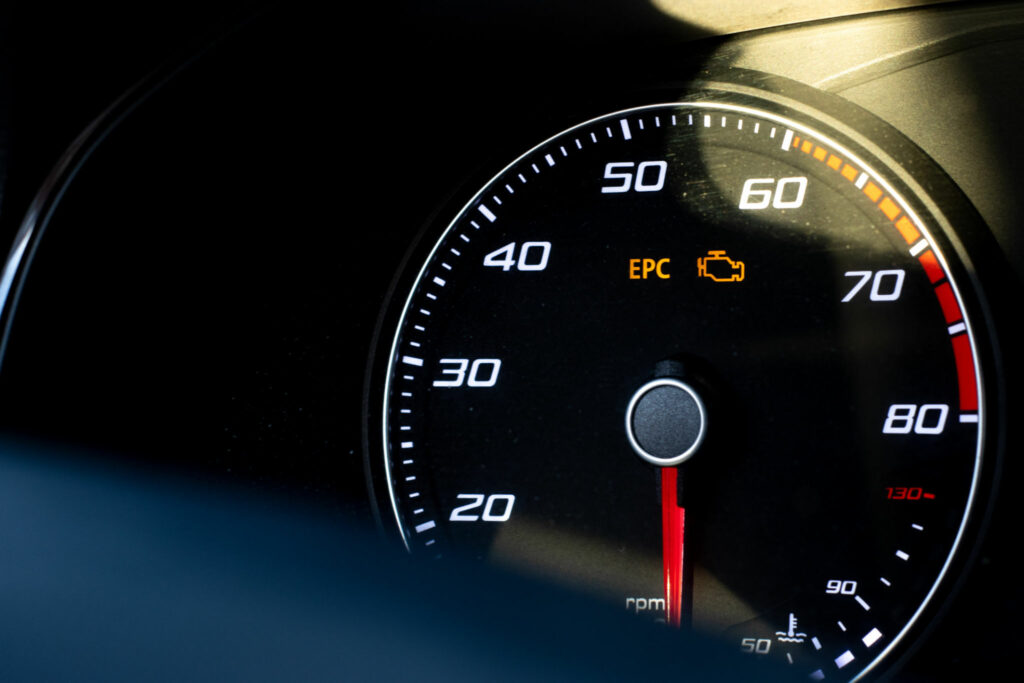
Warning light engine in car dashboard

Engine & Diagnostics · DIY Guide

Check Engine Light On? How to Find the Cause and Fix It at Home

By Mozammel HussainUpdated October 13, 202610 min read

As an Amazon Associate I earn from qualifying purchases. We may earn a commission if you buy through links on this page, at no extra cost to you. Learn more.

A check engine light can mean anything from a loose gas cap to a misfire that's damaging your catalytic converter. The good news: with a $20–$100 OBD-II scanner you can read the exact trouble code in minutes, fix many common causes yourself, and walk into a shop knowing what's wrong if you can't.

Key takeaways

  • A flashing check engine light means a severe misfire: reduce speed and get the car checked right away.
  • A steady light is less urgent, but read the code within a few days.
  • Every car sold in the US since 1996 has an OBD-II port you can plug a scanner into.
  • Start with the simple fixes: gas cap, vacuum hoses, spark plugs and coils.
In this guide
  1. What the Check Engine Light Means
  2. What to Do in the First 5 Minutes
  3. How to Read the Code with an OBD-II Scanner
  4. Common Check Engine Codes and Likely Causes
  5. Fixes You Can Do at Home
  6. Clearing the Code and Readiness Monitors
  7. When to See a Mechanic
  8. OBD-II Scanners We Recommend
  9. FAQ

What the Check Engine Light Means
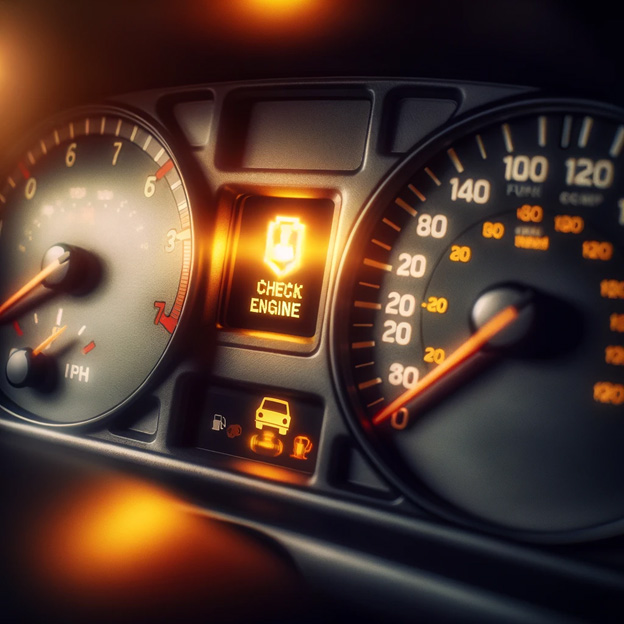
Illuminated check engine light on a car dashboard

The check engine light (also called the malfunction indicator lamp, or MIL) is controlled by your car's engine computer. When a sensor reports a reading outside its normal range, the computer stores a diagnostic trouble code (DTC) and turns on the light. Most codes relate to emissions, ignition, fuel delivery or sensors.

Light behaviorWhat it meansWhat to do
SteadyA fault has been detected, usually not an emergencyRead the code within a few days; watch for symptoms
FlashingActive, severe misfire; unburned fuel can overheat the catalytic converterSlow down, avoid hard acceleration and get it checked immediately
On with other warningsLow oil pressure, overheating or charging problemsPull over safely and turn off the engine

What to Do in the First 5 Minutes

  1. Check whether it's flashingIf it flashes, ease off, avoid towing or highway speeds, and head to a shop.
  2. Look at the other gaugesTemperature, oil pressure and battery warnings take priority. Stop if any are in the red.
  3. Tighten the gas capA loose or worn cap is one of the most common causes. Click it until it ratchets, then drive normally; the light can take several drive cycles to go out.
  4. Note any symptomsRough idle, hesitation, smells, noises or poor fuel economy help pinpoint the cause.

How to Read the Code with an OBD-II Scanner
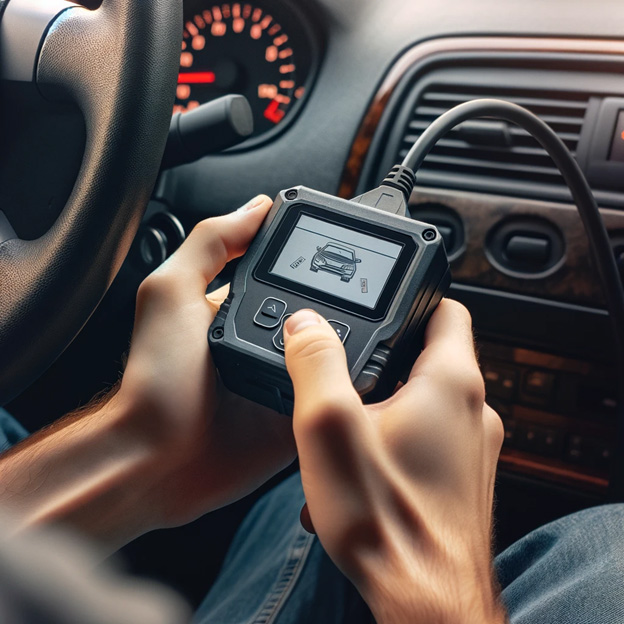
Person using an OBD-II scanner plugged into a car
  1. Find the OBD-II portIt's a 16-pin connector under the dashboard, usually near the steering column on the driver's side.
  2. Plug in the scannerTurn the ignition to ON (engine off) or start the engine, depending on your scanner's instructions.
  3. Read and write down the codesRecord every code, including pending codes, plus any freeze-frame data showing the conditions when the fault occurred.
  4. Look up the codeYour scanner or its app will give a description. Search the code with your car's make, model and year for known common causes.
  5. Fix first, clear laterClearing a code doesn't fix anything. Repair the cause, then clear the code and confirm it doesn't return.

Many auto parts stores in the US will read codes for free, but owning a scanner lets you check codes the moment the light comes on and confirm repairs afterwards.

Common Check Engine Codes and Likely Causes

CodeMeaningCommon causesDIY difficulty
P0455 / P0457EVAP system large leak / gas cap looseLoose or worn gas cap, cracked EVAP hoseEasy
P0442EVAP system small leakGas cap seal, purge valve, small hose crackEasy–moderate
P0300–P0308Random or cylinder-specific misfireWorn spark plugs, failing ignition coil, vacuum leak, injectorModerate
P0171 / P0174System too lean (bank 1 / bank 2)Vacuum leak, dirty MAF sensor, weak fuel pumpModerate
P0420 / P0430Catalyst efficiency below thresholdAging catalytic converter, O2 sensor, exhaust leakHard (diagnose first)
P0128Coolant below thermostat temperatureThermostat stuck openModerate
P0135 / P0141O2 sensor heater circuitFailed oxygen sensor heaterModerate

Exhaust leaks can also confuse oxygen sensors and trigger lean or catalyst codes; see our guide to finding and fixing exhaust leaks.

Fixes You Can Do at Home

1. Replace the gas cap

If tightening doesn't help, inspect the rubber seal for cracks. A new OEM-style cap is inexpensive and fixes many EVAP codes.

2. Swap ignition coils to confirm a misfire

For a cylinder-specific code such as P0302, move that cylinder's coil to another cylinder, clear the code and drive. If the misfire follows the coil (for example, it becomes P0304), replace the coil. If it stays, check the spark plug or injector.

3. Replace worn spark plugs

Check your owner's manual for the replacement interval. Use the specified plug and gap, and torque to spec so you don't damage the threads.

4. Clean the mass airflow (MAF) sensor

A dirty MAF sensor can cause lean codes and hesitation. Use dedicated MAF sensor cleaner only, and never touch the sensing wires.

5. Check for vacuum leaks

Listen for hissing with the engine running and inspect hoses for cracks, especially around the intake. A leaking hose is a common cause of P0171/P0174.

Safety first: Let the engine cool before working on it, disconnect the battery for electrical repairs, and never work under a car supported only by a jack.

Clearing the Code and Readiness Monitors

After a repair, clear the code with your scanner and drive normally for several days. Your car runs self-tests called readiness monitors; if the problem is fixed, the light stays off. Don't clear codes right before an emissions inspection: the monitors will show "not ready" and the car can fail even though the light is off.

When to See a Mechanic

Professional mechanic diagnosing a car
  • The light is flashing, or the car is running roughly or losing power.
  • The code points to internal engine, transmission or catalytic converter problems.
  • The light returns after your DIY repair.
  • You notice a fuel smell, smoke or overheating.

Bringing your code and freeze-frame data to the shop helps them diagnose faster, and makes it easier to compare quotes.

OBD-II Scanners We Recommend

You don't need an expensive scan tool to read and clear engine codes. These three popular options cover most DIYers, and all work with any gas car sold in the US since 1996.

  • Best handheldMOTOPOWER MP69033 OBD2 ScannerPlug-in code reader with its own screen, no phone or app needed. One of the most widely used scanners on Amazon.
    Check Price
  • Best budget BluetoothVeepeak OBDCheck BLESmall Bluetooth adapter that works with iPhone and Android apps to read and clear codes and show live data.
    Check Price
  • Best for enthusiastsOBDLink MX+Faster Bluetooth adapter for iPhone, Android and Windows, with deeper data access through compatible apps.
    Check Price

Frequently Asked Questions

Is it safe to drive with the check engine light on?

If the light is steady and the car drives normally, it's usually safe to drive short-term while you read the code. If it's flashing, or the car runs rough, overheats or loses power, stop driving and get it checked.

Can a loose gas cap really turn on the check engine light?

Yes. A loose or damaged gas cap lets fuel vapor escape, which the EVAP system detects. Tighten or replace the cap; the light may take several drive cycles to turn off.

Will disconnecting the battery reset the check engine light?

It may turn the light off temporarily, but it also erases readiness monitors and other settings. If the problem isn't fixed, the light will come back. Use a scanner to read and clear codes instead.

How much does it cost to diagnose a check engine light?

Many US auto parts stores read codes for free, and basic OBD-II scanners cost less than a typical shop diagnostic fee. Complex problems may still need a professional diagnosis.

Why did my check engine light turn off by itself?

Some faults are intermittent. If the computer stops seeing the problem over several drive cycles, it turns the light off but keeps a history code you can read with a scanner.

The Bottom Line

Don't panic when the check engine light comes on. Check whether it's flashing, tighten the gas cap, then read the code. Many causes, like gas caps, coils, plugs and dirty sensors, are simple DIY fixes, and knowing the code protects you from unnecessary repairs when you do need a mechanic.

Mozammel Hussain

Mozammel writes maintenance guides and product research for My Auto Fix, focusing on tires and DIY car and powersports care. About our editorial process.

Leave a Comment

Your email address will not be published. Required fields are marked *