
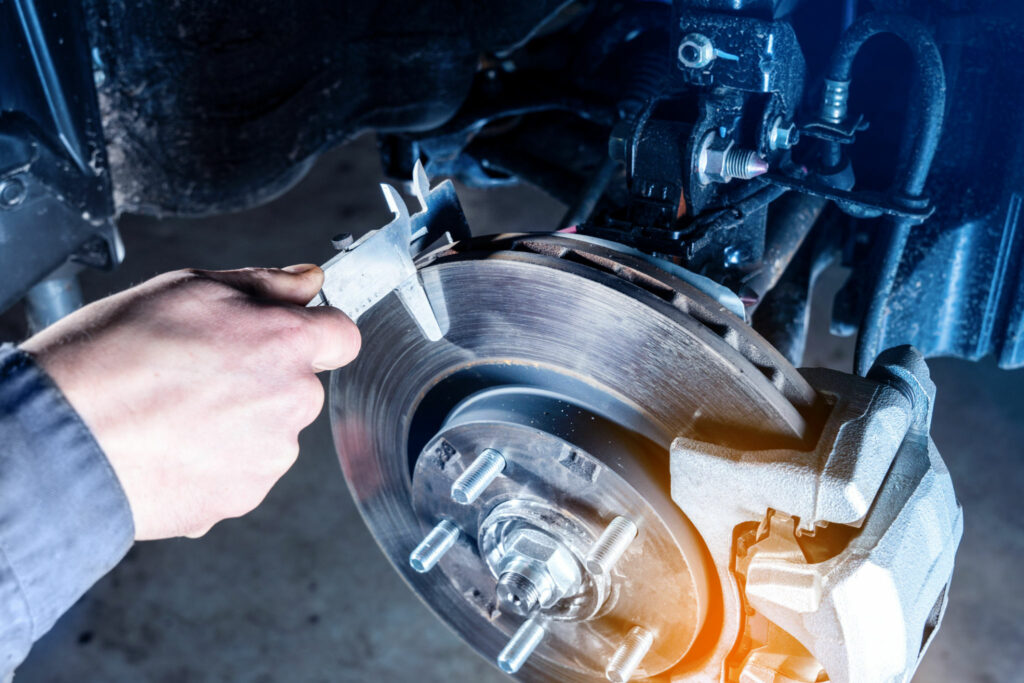
Brakes · Maintenance Guide
Car Braking Systems: How They Work, Key Components and Maintenance
By Mozammel HussainUpdated October 13, 202610 min read
As an Amazon Associate I earn from qualifying purchases. We may earn a commission if you buy through links on this page, at no extra cost to you. Learn more.
Your brakes turn the car's motion into heat through friction, and they're the most important safety system on the vehicle. Knowing how the parts work together helps you recognize warning signs early, understand what a mechanic is telling you, and do basic checks yourself.
Key takeaways
- Most cars use disc brakes at the front and either discs or drums at the rear.
- Squealing, grinding, a soft pedal or pulling when braking are signs to inspect immediately.
- Brake fluid absorbs moisture; many manufacturers recommend changing it about every 2–3 years.
- Replace pads before they reach about 3 mm (1/8 inch) of friction material.
How Car Brakes Work
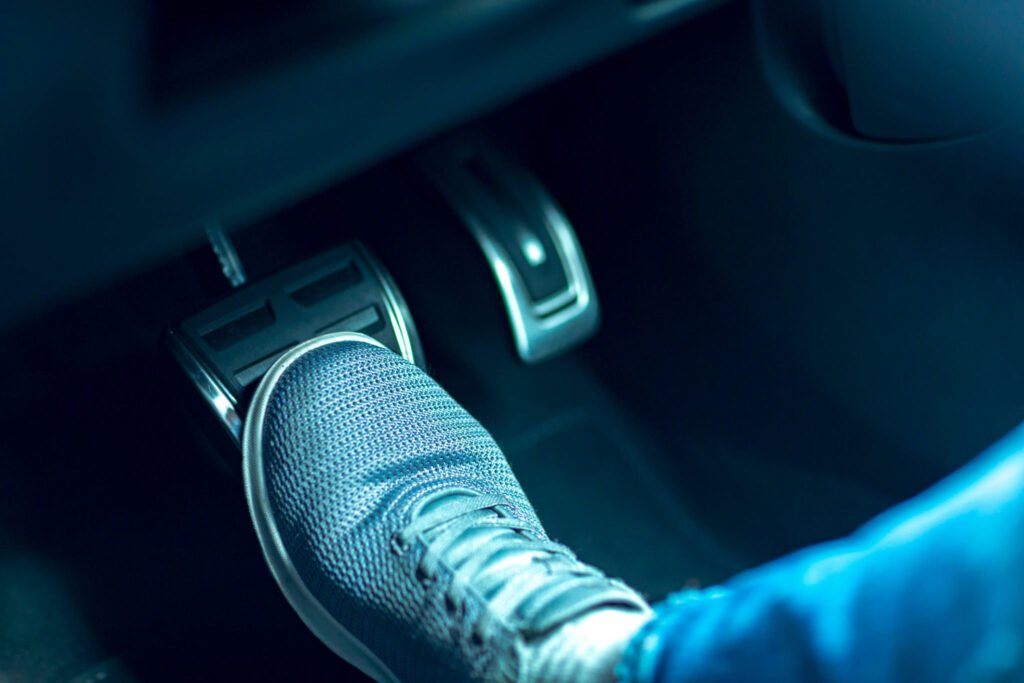
When you press the pedal, a pushrod and the brake booster push on the master cylinder, which forces brake fluid through the lines. Because fluid doesn't compress, that pressure moves pistons in the calipers (disc brakes) or wheel cylinders (drum brakes), pressing friction material against a spinning rotor or drum. ABS monitors wheel speed and rapidly pulses the brakes to stop the wheels locking in an emergency stop.
Key Brake Components
| Component | What it does | Typical maintenance |
|---|---|---|
| Brake pads | Friction material pressed against the rotor | Replace when worn; check at every tire rotation |
| Rotors (discs) | Spinning discs the pads clamp | Resurface or replace if below minimum thickness, warped or scored |
| Calipers | Hold the pads and pistons | Check for sticking pistons and seized slide pins |
| Drums & shoes | Rear brakes on some cars | Inspect and adjust; replace worn shoes |
| Brake fluid | Transfers pedal force to the brakes | Flush per manual, often every 2–3 years |
| Brake lines & hoses | Carry fluid to each wheel | Check for leaks, rust and cracked hoses |
| Master cylinder & booster | Create and assist hydraulic pressure | Replace if leaking or the pedal sinks |
| ABS | Prevents wheel lock-up | Diagnose with a scan tool if the ABS light is on |
Warning Signs of Brake Problems
- Squealing: many pads have a metal wear indicator that squeals when they're thin.
- Grinding: pads may be worn to the backing plate and damaging the rotors. Stop driving and inspect.
- Soft or sinking pedal: air in the lines, a fluid leak or a failing master cylinder.
- Pulling to one side: a sticking caliper, uneven pad wear or a collapsed hose.
- Vibration when braking: often uneven rotor thickness or deposits.
- Brake or ABS warning light: low fluid, worn pads (on some cars) or a system fault.
- Burning smell: overheated brakes or a dragging caliper.
Brake Maintenance Checklist
- Check pad thickness regularly. Look through the wheel spokes, or remove the wheel at each tire rotation. Plan to replace pads at around 3 mm (1/8 inch).
- Inspect the rotors. Look for deep grooves, a heavy lip at the edge or blue heat spots, and measure against the minimum thickness stamped on the rotor.
- Check the fluid level and condition. The level should sit between MIN and MAX. Dark fluid or a high moisture reading means it's time for a flush.
- Flush the brake fluid on schedule. Brake fluid absorbs moisture, which lowers its boiling point and causes internal corrosion. Many manufacturers recommend a change every 2–3 years.
- Look for leaks. Check hoses, lines and the inside of each wheel for wet spots or fluid residue.
- Service caliper slide pins. Clean and lubricate them with high-temperature brake grease when changing pads to prevent uneven wear.
Brake Maintenance Tools We Recommend
These tools cover the most common DIY brake checks and services.
- Check fluid conditionBrake Fluid Tester Pen (DOT 3/4)Quick moisture check for DOT 3 and DOT 4 brake fluid; a good prompt to schedule a flush.Check Price
- One-person bleedingOMT One-Man Brake Bleeding KitHand vacuum pump kit that lets one person bleed brakes without a helper on the pedal.Check Price
- Measure pad thicknessLisle 81850 Brake Lining Thickness Gauge SetColor-coded feeler gauges to check pad thickness through the wheel or caliper.Check Price
- Correct torqueEPAuto 1/2-inch Drive Click Torque Wrench (10–150 ft-lb)Click-type wrench that covers common lug-nut torque specs for cars and light trucks.Check Price
- Safe supportAmazon Basics 3-Ton Jack Stands (pair)Ratcheting steel stands; never work under a car supported only by a jack.Check Price
Frequently Asked Questions
How often should brake pads be replaced?
It varies widely with driving style and vehicle, often somewhere between 25,000 and 70,000 miles. Inspect the pads at every tire rotation and replace them at around 3 mm of friction material.
How often should brake fluid be changed?
Follow your owner's manual. Many manufacturers recommend every 2 to 3 years, because brake fluid absorbs moisture over time.
Why do my brakes squeal?
Squealing can come from the pad wear indicator, glazed pads, dust and debris, or missing anti-squeal shims. If it's accompanied by grinding, inspect the brakes immediately.
Do I need new rotors with new pads?
Not always. If the rotors are above minimum thickness and not warped or deeply scored, they can be reused or resurfaced. Many shops replace them with the pads for best performance.
The Bottom Line
Check pads and fluid regularly, act on squealing, grinding or a soft pedal right away, and flush the fluid on schedule. If a warning light appears alongside other symptoms, our guide to reading dashboard trouble codes can help.
Related guides
Mozammel writes maintenance guides and product research for My Auto Fix, focusing on tires and DIY car and powersports care. About our editorial process.