
Tires & TPMS · Explainer
Why Your TPMS Light Comes On in Cold Weather, and What to Do About It
By Mozammel HussainUpdated October 13, 20267 min read
As an Amazon Associate I earn from qualifying purchases. We may earn a commission if you buy through links on this page, at no extra cost to you. Learn more.
If your tire pressure light comes on during the first cold morning of the year and then goes off after a few miles, your TPMS is doing exactly what it's designed to do. Air contracts as it cools, so tire pressure drops with the temperature. Here's how that works and how to keep your tires correctly inflated through every season.
Key takeaways
- Tire pressure changes about 1 psi for every 10°F change in temperature.
- US TPMS warns when a tire is roughly 25% below the recommended pressure.
- Set pressure when tires are cold, using the door-jamb placard.
- A light that comes on and goes off with temperature means you should add air, not ignore it.
How Temperature Affects Tire Pressure
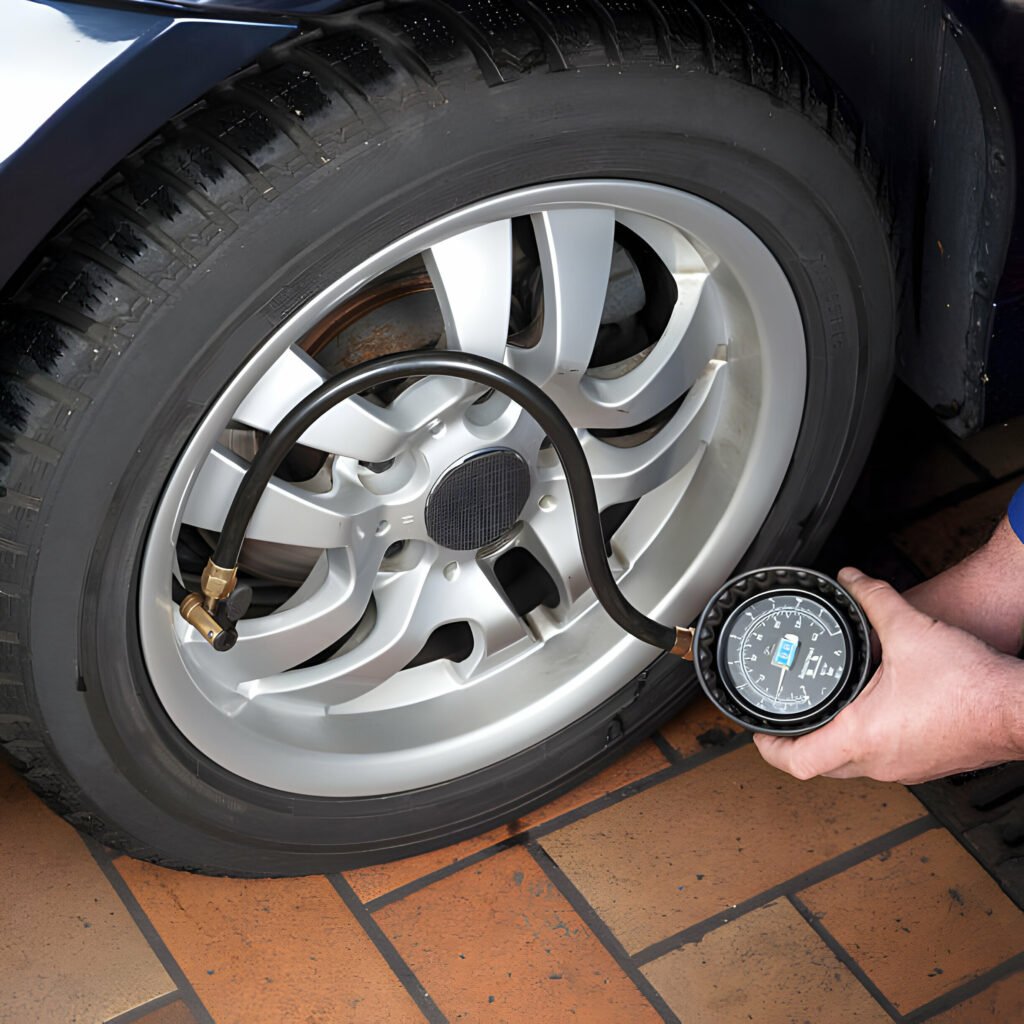
Air expands when it's warm and contracts when it's cold. As a rule of thumb, tire pressure falls about 1 psi for every 10°F drop in outside temperature, and rises by about the same when it warms up. A 40°F swing between a summer afternoon and a winter morning can therefore mean a difference of around 4 psi.
Driving also heats the tires, typically raising pressure by a few psi. That's why the light may come on in a cold driveway and switch off once the tires warm up. The underlying pressure is still too low and needs topping up.
How TPMS Decides When to Warn You
In the US, TPMS is required on passenger vehicles from the 2008 model year onward, and the system must warn when one or more tires is about 25% below the vehicle's recommended cold pressure. There are two types:
- Direct TPMS uses a battery-powered sensor in each wheel to measure actual pressure.
- Indirect TPMS uses the ABS wheel-speed sensors to detect a tire spinning faster because it's under-inflated.
A steady light means low pressure. A light that flashes for about a minute and then stays on usually indicates a system fault, such as a dead sensor battery. See our guide to troubleshooting TPMS problems.
What to Do When the Light Comes On
- Check all four tires. Use a gauge on each tire, ideally before driving or after the car has been parked for a few hours.
- Inflate to the placard pressure. Use the pressure on the driver's door jamb sticker, not the sidewall maximum. Don't forget the spare if it has a sensor.
- Drive to reset. Most systems turn the light off after a few miles of driving once pressure is correct. Some need a manual reset button or menu.
- Look for a leak. If one tire keeps losing more pressure than the others, check for a nail, a damaged valve stem or a leaking bead.
Seasonal Tire Pressure Tips
- Check pressure more often when temperatures change quickly, especially in autumn.
- If you set pressure in a warm garage before driving out into freezing weather, add a little to account for the drop outside, but never exceed the sidewall maximum.
- In summer, don't let air out of hot tires; the reading will drop back once they cool.
- Recheck after a long trip once the tires have cooled.
Tools for Year-Round Pressure Checks
A reliable gauge and a portable inflator make it easy to keep pressure right as the weather changes.
- Accurate readingsAstroAI Digital Tire Pressure GaugeBacklit digital gauge reading up to 150 psi; easy to read in a dark garage.Check Price
- Inflate at homeAirmoto Portable Tire InflatorRechargeable inflator with a preset auto-stop pressure, small enough for the glovebox.Check Price
- Cordless optionAstroAI L7 Cordless Tire InflatorCordless inflator with digital preset and auto shut-off for quick top-ups.Check Price
Frequently Asked Questions
Why does my tire pressure light come on when it's cold?
Cold air makes tire pressure drop, about 1 psi for every 10°F. If a tire falls around 25% below the recommended pressure, the TPMS turns the warning light on.
Should I add air when the TPMS light comes on in winter?
Yes. Check all four tires with a gauge and inflate them to the pressure on your door-jamb placard. The light should go off after a short drive.
Why does the TPMS light go off after driving?
Driving warms the tires and raises the pressure, sometimes enough to move it back above the warning threshold. The tire is still under-inflated when cold and should be topped up.
Is it normal for tire pressure to rise in summer?
Yes. Warm weather and driving both raise pressure. Don't release air from hot tires; set pressure when they're cold.
The Bottom Line
A cold-weather TPMS light is a reminder, not a fault. Check all four tires cold, inflate to the door-jamb spec and recheck when the seasons change. For more pressure tools, see our best tire pressure monitoring systems.
Related guides
Mozammel writes maintenance guides and product research for My Auto Fix, focusing on tires and DIY car and powersports care. About our editorial process.