
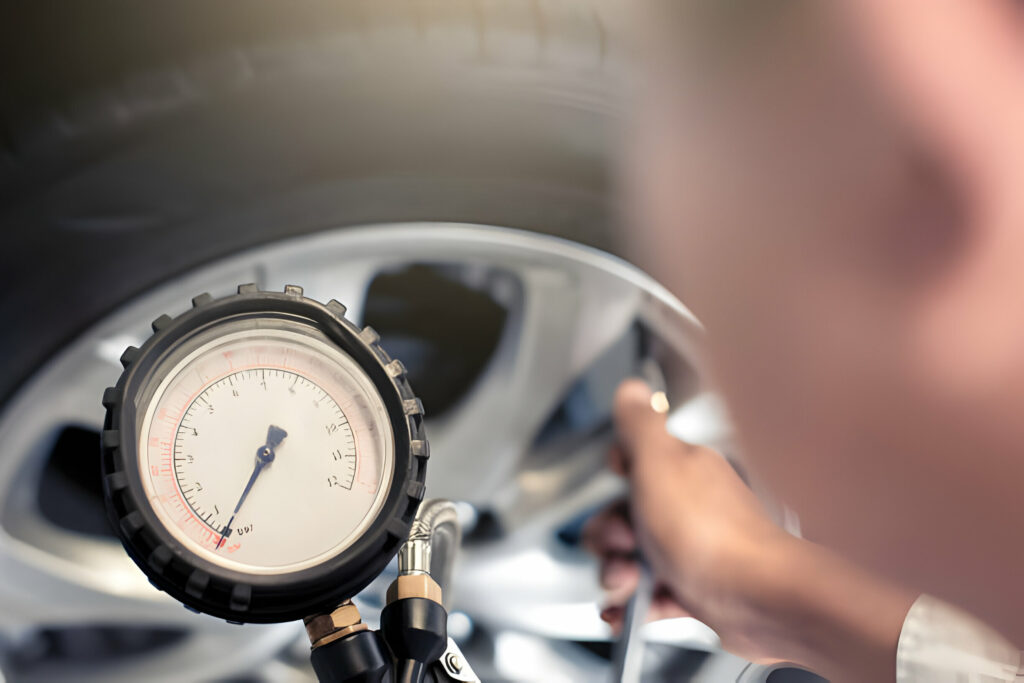
Tires & TPMS · Troubleshooting
TPMS Light On or Flashing? How to Troubleshoot Common TPMS Problems
By Mozammel HussainUpdated October 13, 20269 min read
As an Amazon Associate I earn from qualifying purchases. We may earn a commission if you buy through links on this page, at no extra cost to you. Learn more.
The tire pressure monitoring system is simple when it works and frustrating when it doesn't. The key is reading the warning correctly: a steady light usually means a tire is low, while a flashing light points to a fault in the system itself. This guide walks through the common problems and how to fix them.
Key takeaways
- Steady light: one or more tires is low; check and inflate all four.
- Flashing then steady light: a TPMS fault, often a dead sensor battery or a sensor the car can't read.
- Sensor batteries usually last around 5–10 years and are typically sealed in the sensor.
- After new sensors, tire rotation or wheel swaps, many cars need a relearn.
What the TPMS Light Is Telling You
| What you see | Likely meaning | First step |
|---|---|---|
| Steady light | At least one tire is about 25% under-inflated | Check all tires with a gauge and inflate |
| Light comes on when cold, goes off when warm | Pressure is borderline low | Add air to the placard spec |
| Flashes about 60–90 seconds, then stays on | System fault (sensor, battery, relearn) | Scan sensors with a TPMS tool |
| Light after a tire change or rotation | Sensor missing, damaged or not relearned | Perform a relearn procedure |
Common TPMS Problems and Fixes
1. A tire really is low
The most common cause. Check all four tires (and a monitored spare) with a gauge when cold, inflate to the door-jamb spec and look for punctures or a leaking valve.
2. Dead sensor battery
Direct TPMS sensors run on built-in batteries that typically last 5–10 years. When one dies the light usually flashes, then stays on. The sensor is normally replaced as a unit, and it's often worth replacing all four if the car is old enough for one to fail.
3. Damaged sensor or valve stem
Sensors can be damaged during tire mounting, by corrosion, or by hitting a curb. A leaking valve stem also causes slow pressure loss. Service kits with new seals and cores are available for many sensors.
4. Sensors not relearned
Many vehicles need to learn sensor IDs and positions after new sensors are fitted, and some after a rotation. Methods vary: automatic driving relearns, a sequence using the key and pedal, or a TPMS tool that triggers each sensor. Your owner's manual explains your car's procedure.
5. Wrong or aftermarket wheels
Winter wheels or aftermarket rims without sensors will trigger the light. Either fit sensors to the second set or accept the warning (it's safer to fit sensors).
6. Indirect TPMS needs a reset
Systems that use ABS wheel-speed data must be reset after inflating or rotating tires. Look for a TPMS reset button or vehicle menu option.
Step-by-Step Diagnosis
- Inflate and drive. Set all tires to the correct cold pressure and drive for 10–20 minutes. If the light goes off, the problem was pressure.
- Watch the startup sequence. If the light flashes then stays solid, the system has a fault.
- Scan the sensors. A TPMS tool reads each sensor's ID, pressure and battery status, showing which one isn't responding.
- Relearn or replace. Relearn sensors that respond but aren't registered; replace ones that don't respond or report a low battery.
- Confirm the fix. Drive again and make sure the light stays off.
TPMS Tools We Recommend
A scan tool takes the guesswork out of TPMS faults. Check vehicle coverage before buying.
- Best all-round TPMS toolAutel MaxiTPMS TS501 PROActivates and reads TPMS sensors and performs relearns on many makes; shows sensor ID, pressure and battery status.Check Price
- Budget GM relearn toolVXDAS TPMS Relearn Tool (GM)Low-cost tool for the sensor relearn procedure on most GM vehicles; check fitment for your model.Check Price
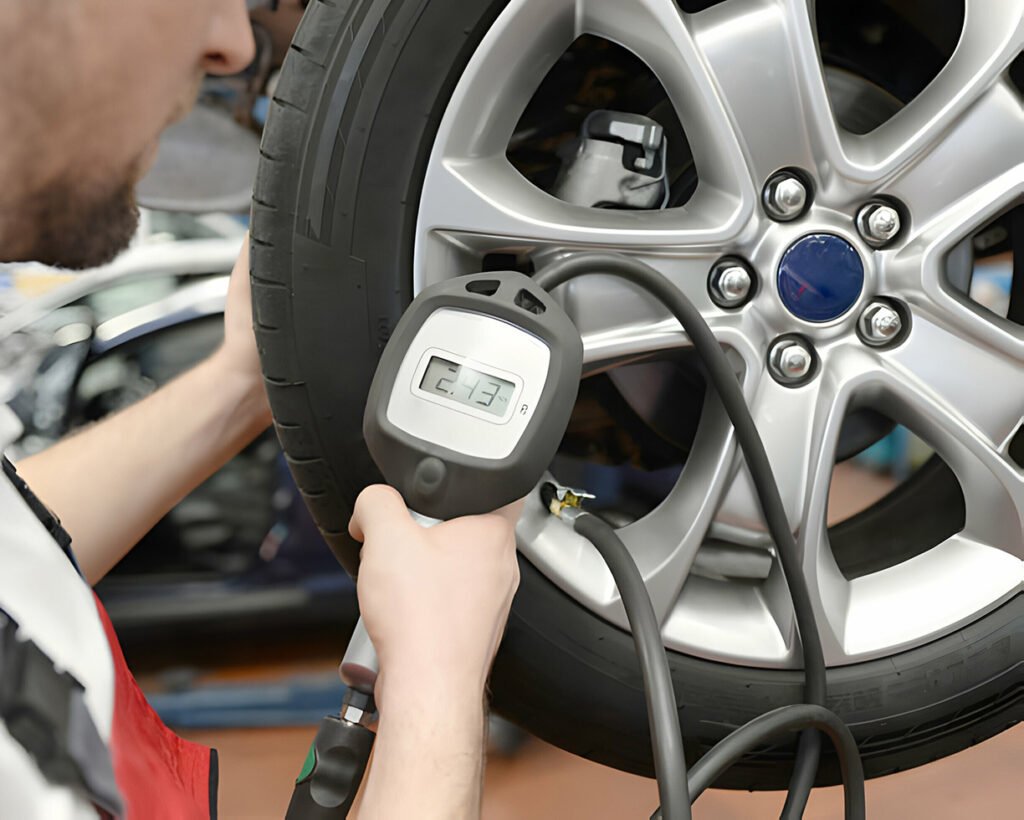
- Confirm every warningAstroAI Digital Tire Pressure GaugeBacklit digital gauge reading up to 150 psi; easy to read in a dark garage.Check Price
Frequently Asked Questions
Why is my TPMS light flashing?
A TPMS light that flashes for about a minute after starting and then stays on usually means a fault in the system, such as a dead sensor battery, a damaged sensor or a sensor the car can't recognize.
Can I drive with the TPMS light on?
If the light is steady, check your tire pressure as soon as possible, because a low tire affects handling and can overheat. If the light indicates a system fault, the car is safe to drive, but you won't get low-pressure warnings, so check pressure manually until it's fixed.
How long do TPMS sensors last?
Most sensor batteries last around 5 to 10 years. Because the battery is usually sealed in, the whole sensor is typically replaced.
Do I need to reset TPMS after rotating tires?
It depends on the vehicle. Some systems relearn automatically, some need a manual relearn and indirect systems need a reset. Check your owner's manual.
The Bottom Line
Start with a gauge, because most TPMS lights simply mean low pressure. If the light flashes, scan the sensors to find the faulty one, then relearn or replace it. For installation steps, see how to install and calibrate a TPMS.
Related guides
Mozammel writes maintenance guides and product research for My Auto Fix, focusing on tires and DIY car and powersports care. About our editorial process.