

Exhaust · DIY Guide
How to Find and Fix an Exhaust Leak
By Mozammel HussainUpdated October 13, 20268 min read
As an Amazon Associate I earn from qualifying purchases. We may earn a commission if you buy through links on this page, at no extra cost to you. Learn more.
An exhaust leak usually starts as a ticking at cold start or a deeper rumble that wasn't there before. Beyond the noise, a leak can let carbon monoxide into the cabin, upset oxygen sensor readings and trigger a check engine light. Small holes in pipes can often be patched at home; leaking manifolds, gaskets and badly rusted parts need replacement.
Key takeaways
- Common signs: louder exhaust, ticking at cold start, exhaust smell in the cabin and a check engine light.
- Exhaust fumes contain carbon monoxide; never ignore an exhaust smell inside the car.
- Small pipe holes can be patched with high-temperature paste or wrap as a temporary fix.
- Leaking manifolds, gaskets and flex pipes should be repaired properly or replaced.
Signs of an Exhaust Leak
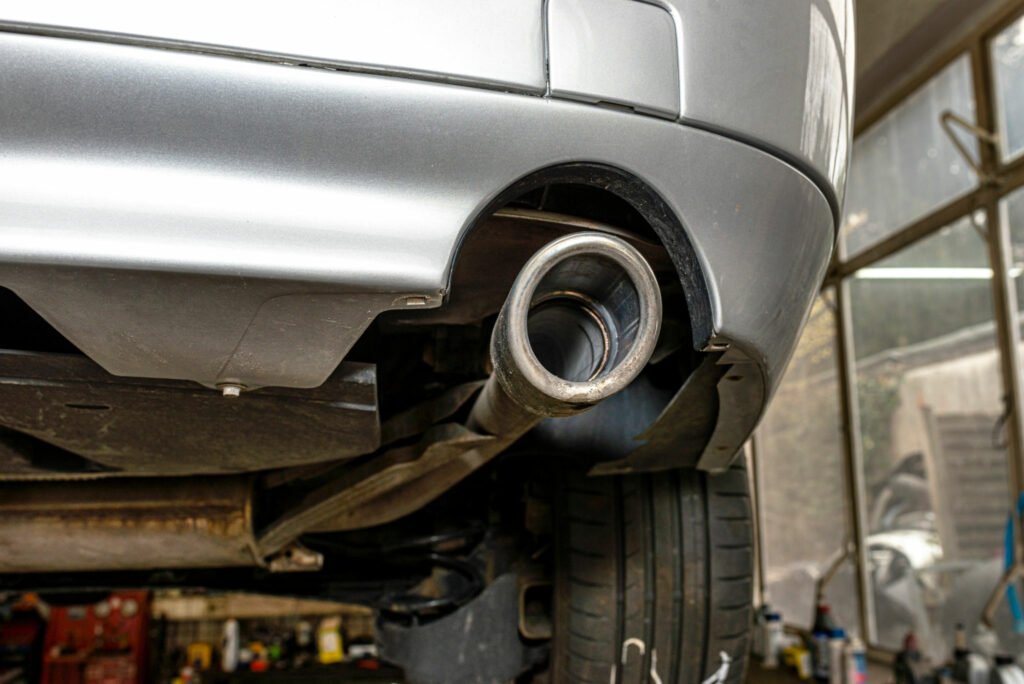
- Louder exhaust, rumbling or roaring, especially when accelerating
- Ticking or tapping at cold start that fades as the engine warms (often a manifold leak)
- Exhaust smell in or around the car
- Vibration in the floor, pedals or steering wheel
- Reduced fuel economy
- Check engine light, often from oxygen sensor or catalyst codes
Is an Exhaust Leak Dangerous?
How to Find the Leak Safely
- Start with a cold engine. Exhaust parts get extremely hot. Inspect when cold, and wear gloves and eye protection.
- Lift the car safely. Use ramps or jack stands on level ground; never rely on a jack alone.
- Inspect from front to back. Look along the manifold, flex pipe, catalytic converter, resonator, muffler and tailpipe for holes, cracks, black soot marks and rust, especially at joints and hangers.
- Listen with the engine running. With a helper and the parking brake on, start the engine briefly and listen for puffing or hissing. Don't touch the hot system.
- Check hangers and clamps. Broken rubber hangers or loose clamps can let joints separate or pipes rub and crack.
How to Fix an Exhaust Leak
Small holes and cracks in pipes or the muffler
Clean the area with a wire brush, then apply a high-temperature exhaust paste or wrap according to the instructions. Many products cure with engine heat. This is a good temporary fix that can last a long time on a small hole, but badly rusted metal will keep failing.
Leaking joints
Replace worn gaskets and tighten or replace clamps. Use new hardware, because old exhaust bolts are often rusted.
Exhaust manifold leaks
A ticking manifold usually means a failed gasket or a cracked manifold. Repairs often involve seized bolts and can be difficult; many DIYers leave this to a shop.
Flex pipes, catalytic converters and rusted sections
These usually need replacement. Patches rarely last on flex pipes because they move. A muffler or exhaust shop can often weld in a new section affordably.
Exhaust Repair Products We Recommend
These are temporary or small-damage repairs. Replace parts that are badly rusted or structurally damaged.
- Wrap for pipesJ-B Weld ExhaustWeld Repair WrapHeat-activated wrap for small pipe holes and cracks; a temporary fix until the part is replaced.Check Price
- Paste for small holesJ-B Weld ExtremeHeat PasteHigh-temperature metallic paste for small holes, cracks and pinholes in exhaust parts.Check Price
- Safe inspectionAmazon Basics 3-Ton Jack Stands (pair)Ratcheting steel stands; never work under a car supported only by a jack.Check Price
Frequently Asked Questions
Can I drive with an exhaust leak?
A small leak far back in the system isn't an immediate emergency, but any leak can let carbon monoxide into the cabin, especially if it's near the front of the car. Get it checked soon, and don't drive if you smell exhaust inside.
What does an exhaust leak sound like?
A leak near the engine often sounds like ticking or tapping, especially when cold. Leaks further back sound like a louder, deeper rumble or roar when accelerating.
Can an exhaust leak cause a check engine light?
Yes. Leaks before or near the oxygen sensors can let outside air in, causing incorrect readings and codes such as lean or catalyst efficiency codes.
Does exhaust repair paste really work?
For small holes and cracks in solid metal, high-temperature paste or wrap can work well as a temporary repair. It won't fix large holes, flex pipes or badly rusted parts.
The Bottom Line
Find the leak with the car safely raised and cold, patch small holes in solid pipe, and replace gaskets, flex pipes and rusted sections. Take any exhaust smell in the cabin seriously. If a check engine light came on too, our guide to diagnosing the check engine light shows how to read the code.
Mozammel writes maintenance guides and product research for My Auto Fix, focusing on tires and DIY car and powersports care. About our editorial process.