
Tires & Wheels · Comparison
All-Season vs. Summer Tires: Which Is Right for You?
By Mozammel HussainUpdated October 13, 20267 min read
As an Amazon Associate I earn from qualifying purchases. We may earn a commission if you buy through links on this page, at no extra cost to you. Learn more.
All-season tires are the default on most new cars because they're a good compromise for year-round driving. Summer tires give up that versatility for sharper handling and shorter stopping distances in warm weather. The right choice depends mostly on your climate and how you drive.
Key takeaways
- Summer tires offer the best dry and wet grip in warm weather but lose traction in the cold.
- All-season tires trade some performance for longer tread life and light-snow capability.
- Summer tires should not be used near or below freezing, and never on snow or ice.
- In harsh winters, the safest setup is summer or all-season tires plus a dedicated winter set.
All-Season vs. Summer Tires Compared
| Factor | All-season | Summer |
|---|---|---|
| Dry grip & handling | Good | Excellent |
| Wet braking (warm) | Good | Excellent |
| Light snow | Fair | Not suitable |
| Below about 45°F (7°C) | Usable | Grip drops; rubber hardens |
| Tread life | Longer; often warrantied 50k–80k miles | Shorter; often limited or no warranty |
| Noise & comfort | Quiet, comfortable | Firmer, can be louder |
What Makes Summer Tires Different
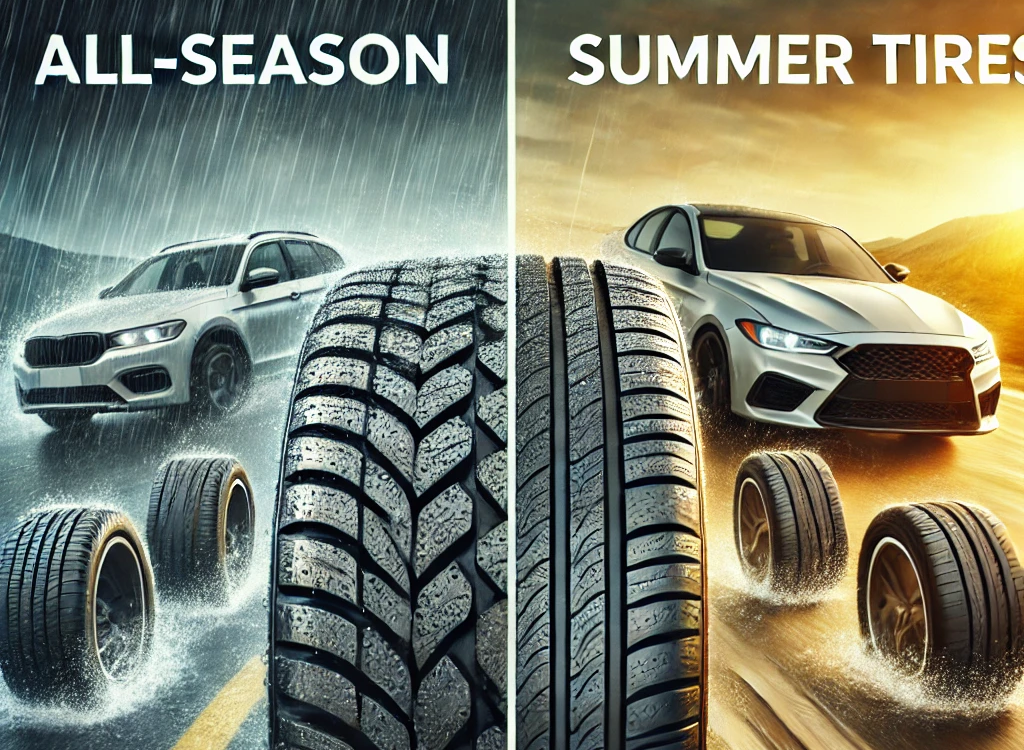
Summer (performance) tires use a softer, stickier compound that's optimized for warm temperatures, and a tread with larger solid blocks and fewer sipes, which puts more rubber on the road. Wide circumferential grooves still clear water well, so they're excellent in summer rain. The downside is temperature: as it gets cold, the compound stiffens and grip falls off sharply, and storing or handling summer tires in freezing temperatures can even cause cracking.
What All-Season Tires Do Well
All-season tires use a compound that stays reasonably flexible across a wider temperature range and a tread with more sipes and grooves. That makes them comfortable, quiet, long-lasting and able to handle light snow and slush. They're not true winter tires, though: on ice or in deep snow, a winter tire stops and turns far better. Some newer "all-weather" tires carry the three-peak mountain snowflake symbol and sit between all-season and winter tires.
How to Choose
- Warm climate year-round, or a performance car: summer tires.
- Mild winters with occasional cold snaps: all-season tires.
- Regular freezing temperatures and snow: all-season or summer tires for the warm months plus a set of winter tires.
- Want one tire for everything, including snow: consider an all-weather tire with the 3PMSF symbol.
Whatever you choose, fit four matching tires, and check your vehicle's recommended size, load index and speed rating.
Keep Any Tire Performing Its Best
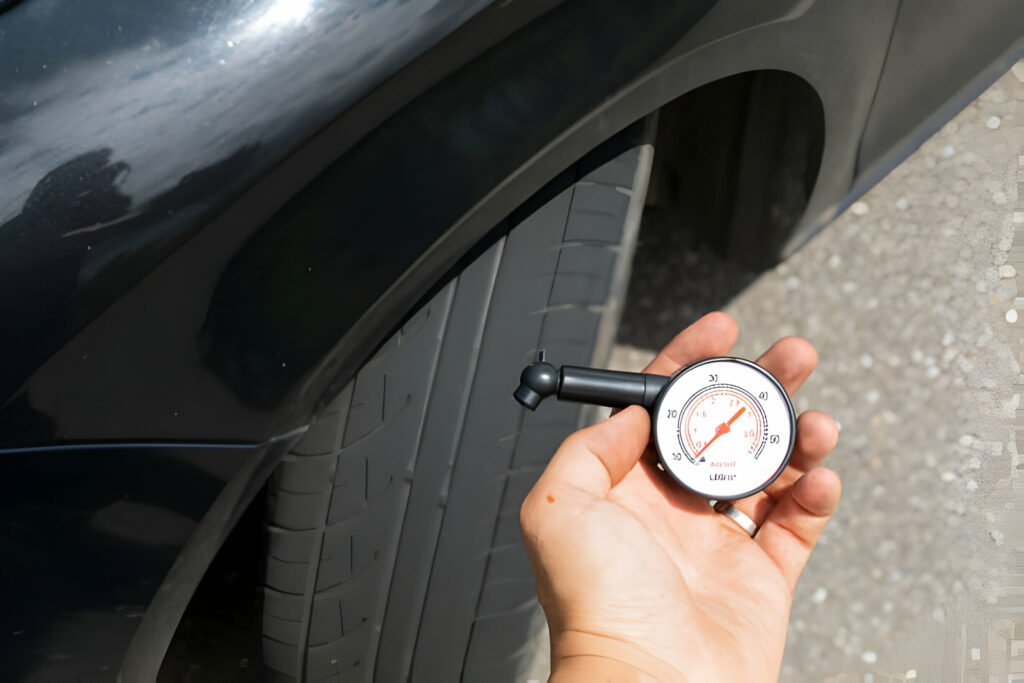
Correct pressure matters for both types, and summer tires in particular lose performance when under-inflated.
- Check pressure accuratelyAstroAI Digital Tire Pressure GaugeBacklit digital gauge reading up to 150 psi; easy to read in a dark garage.Check Price
- Track wearGODESON Color-Coded Tread Depth Gauge (2-pack)Summer tires often wear faster; measure tread regularly so you replace them on time.Check Price
Frequently Asked Questions
Can I drive summer tires in winter?
No. Below about 45°F (7°C) summer tire rubber hardens and grip drops significantly, and they offer little traction on snow or ice. Switch to all-season or winter tires for cold months.
Do summer tires wear out faster?
Usually, yes. The softer, grippier compound tends to wear faster than an all-season tire, and many summer tires have shorter or no tread-life warranties.
Are all-season tires good in snow?
They can handle light snow and slush, but they're not a substitute for winter tires on ice or in heavy snow.
What's the difference between all-season and all-weather tires?
All-weather tires are designed for better winter grip and carry the three-peak mountain snowflake symbol, while most all-season tires don't.
The Bottom Line
Choose summer tires for maximum warm-weather performance, all-season tires for convenience and longevity, and add winter tires if you see real winters. For winter-specific advice, read how to choose tires for snowy conditions.
Mozammel writes maintenance guides and product research for My Auto Fix, focusing on tires and DIY car and powersports care. About our editorial process.