Best Skid Steer Tires 2026 – Top Picks for Bobcat, Caterpillar & More
Skid steer loaders are workhorses on American construction sites, landscaping projects, farms, and winter maintenance crews from Texas to Minnesota. But even the toughest machine loses productivity when the tires fail to deliver traction, durability, or puncture resistance.
Choosing the best skid steer tires directly affects your uptime, fuel efficiency, operator comfort, and long-term equipment protection. Whether you run a Bobcat, Caterpillar, John Deere, Kubota, or another compact loader, the right tire can mean the difference between finishing the job on time and dealing with costly downtime.
In this comprehensive 2026 guide, we break down tire types, key buying factors for U.S. conditions, and real-world performance of popular heavy-duty options available at major retailers. We’ll help you match the perfect skid steer tires to your specific applications — from rough construction terrain to sensitive turf and snowy driveways.
Why Skid Steer Tire Selection Matters on U.S. Job Sites
American contractors and landowners face diverse challenges: rocky construction lots in the Southwest, muddy fields in the Midwest, frozen ground in the Northeast, and delicate grass in suburban landscaping.
Poor tire choice leads to:
- Excessive sidewall cuts and punctures
- Rim damage from spinning on loose gravel
- Reduced traction causing machine bogging or sliding
- Faster wear on suspension components and higher fuel consumption
- Operator fatigue from a rough ride
High-quality skid steer tires improve floatation, self-cleaning ability, and load stability while protecting expensive rims. Many U.S. operators report 30–50% longer service life when upgrading from basic tires to heavy-ply models with rim guards.
Comparison Chart: Best Skid Steer Tires 2026
| Tire Model | Ply Rating | Tread Depth | Load Capacity (lbs) | Best For | Key Features |
| Carlisle Trac Chief Industrial | Standard | 20/32″ | 3,520 | General construction & handling | Step-lug traction, balanced wear |
| ZEEMAX Heavy Duty G2 | 10-Ply | 23/32″ | 4,710 | Bobcat & mixed job sites | Rim guard, gouge resistance |
| ROAD CREW TW171 | 14-Ply | Deep aggressive | 6,490 | Heavy-duty pushing & rough terrain | High load, strong sidewalls |
| Super Guider SKS1 | 12-Ply | 23/32″ | 4,710 | Construction & farmland | Deep tread, rim protection |
| Forerunner SKS-1 (Mounted) | 12-Ply | Aggressive | 4,710+ | Ready-to-mount Bobcat setups | 8-lug rim, bias ply strength |
| HORSESHOE 14-Ply with Rim Guard | 14-Ply | 24/32″ | 5,230 | High-abuse material handling | Heavy G-load, excellent stability |
| DEESTONE D304 Load Range F | High | Aggressive | High | Muddy/farm & larger machines | Flotation, Load Range F rating |
Types of Skid Steer Tires Explained
Understanding the main categories helps you decide what fits your operation best.
- Pneumatic (Air-Filled) Tires These offer excellent cushioning and a smoother ride on mixed terrain. They provide superior traction in dirt and gravel but carry a risk of flats from nails, rebar, or sharp rocks common on U.S. construction sites.
- Solid / Flat-Proof Tires Completely airless rubber construction eliminates flats entirely. Ideal for high-risk environments like demolition or recycling yards. They trade some ride comfort for maximum uptime and longevity.
- Foam-Filled Tires A hybrid option where air-filled casings are injected with polyurethane foam. They resist punctures while retaining more cushioning than solid tires, though they add significant weight.
- Turf-Friendly Tires Designed with less aggressive tread to minimize damage on grass, golf courses, or residential lawns. Popular among landscaping companies in suburban America.
- Heavy-Duty Ply-Rated Tires (10-Ply, 12-Ply, 14-Ply) Most popular for serious work. Higher ply ratings mean stronger sidewalls and higher load capacity, essential for lifting heavy pallets, rocks, or snow loads.
Key Factors to Consider When Buying Skid Steer Tires
- Machine Compatibility — Common sizes include 10-16.5 and 12-16.5. Always verify rim size, bolt pattern, and offset for your Bobcat, Cat, or other model.
- Application & Terrain — Construction and demolition need aggressive tread and rim protection. Landscaping benefits from smoother patterns. Snow removal requires deep lugs or dedicated winter compounds.
- Ply Rating & Load Capacity — Look for 10-ply or higher for heavy lifting in commercial use.
- Rim Guard Protection — Critical for preventing costly rim bends on uneven ground.
- Tread Depth & Pattern — Deeper lugs (20–24/32″) excel in mud and loose material. Directional patterns improve forward traction.
- Regional U.S. Climate — Northern states prioritize snow and ice performance. Southern operators focus on heat resistance and puncture protection.
- Maintenance & Longevity — Proper inflation (for pneumatics), regular rotation, and storage practices extend tire life dramatically.
Top Skid Steer Tire Recommendations
Here are standout heavy-duty options that consistently perform well for American operators.
Carlisle Trac Chief Industrial Tire 10-16.5

A reliable pneumatic choice with a classic industrial tread. The step-lug design offers solid traction in dirt and gravel while maintaining decent self-cleaning. Many users appreciate its balanced performance for general construction and material handling. Load capacity around 3,520 pounds makes it suitable for lighter to medium-duty cycles.
ZEEMAX Heavy Duty 10-16.5 G2 Skid Steer Tire 10-Ply with Rim Guard

This Amazon’s Choice model delivers strong value with 10-ply construction and built-in rim guard protection. The G2/L2 tread pattern provides excellent stability and resistance to gouging. Operators running Bobcat machines often praise its durability in mixed job sites. Higher load rating (up to 4,710 pounds) supports heavier attachments.
ROAD CREW TW171 12-16.5 14-Ply Skid Steer Tires

Built tough for demanding NHS HD applications, this 14-ply tire offers impressive load capacity (around 6,490 pounds) and deep tread for superior bite. The aggressive block pattern excels in rough terrain and helps prevent slippage during heavy pushing or digging. A favorite among contractors who need extra sidewall strength.
Super Guider Heavy Duty 10-16.5 12-Ply SKS1 with Rim Guard

Designed for off-road environments like construction and farmland, these tires feature deep 23/32″ tread depth and robust 12-ply rating. The durable compound resists cutting and chunking, while the rim guard adds extra wheel protection. Available in sets of four for convenient fleet updates.
Forerunner SKS-1 10-16.5 12-Ply Skid Steer Tire on Wheel/Rim

This mounted option comes ready to bolt on (8-lug pattern common on many Bobcat and similar machines). The 12-ply bias construction and heavy-duty tread deliver reliable traction across varied surfaces. Left-side mount versions help with specific machine setups. Great for operators who want a complete tire-and-rim solution.
HORSESHOE 10-16.5 14-Ply Skid Steer Loader Tubeless Tire with Rim Guard
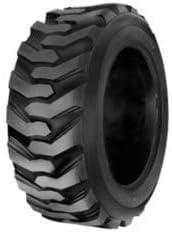
A heavy-duty G-load rated tire (up to 5,230 pounds) with 14-ply strength and deep 24/32″ tread. The rim guard protects against sidewall and wheel damage, making it popular for high-abuse applications. Users report excellent stability and traction on construction sites and in material yards.
DEESTONE 12-16.5 D304 Skid Steer Load Range F Tire

This Load Range F model provides high load capacity in the larger 12-16.5 size. The aggressive tread works well in loose or muddy conditions common on U.S. farms and job sites. A solid performer for operators needing extra flotation and durability.
How to Choose the Right Skid Steer Tires for Your Specific Needs
Construction & Demolition — Prioritize 12–14 ply tires with rim guards and deep tread (ZEEMAX, ROAD CREW, HORSESHOE).
Landscaping & Turf — Look for less aggressive patterns or dedicated turf tires to protect grass.
Farming & Agriculture — Larger 12-16.5 sizes with good flotation (DEESTONE or Super Guider).
Snow Removal — Deep-lug or specialized snow tires for northern states; consider chains as backup.
Rental Fleets — Solid or foam-filled for maximum uptime between customers.
Installation, Maintenance & Longevity Tips
- Torque lug nuts to manufacturer specs and re-check after first 50 hours.
- Rotate tires regularly for even wear.
- Inspect sidewalls weekly for cuts, especially in rocky areas.
- Store spare tires indoors away from direct sunlight.
- For pneumatic tires, maintain proper PSI to avoid sidewall fatigue.
- Consider foam-filling or upgrading to solid tires if flats are a recurring issue in your area.
Replacing skid steer tires at the right time prevents cascading damage to rims, hubs, and the machine itself. Most heavy-duty sets last 800–2,000+ hours depending on conditions and maintenance.
Frequently Asked Questions About Skid Steer Tires
Higher ply (10, 12, 14) generally means stronger sidewalls and higher load capacity, but they can ride slightly firmer.
It’s best to keep all four tires matching for balanced traction and steering, especially on slopes.
Modern designs with strategic flex zones have improved comfort, but pneumatic or foam-filled still win for operator comfort on long days.
10-16.5 is the most common; confirm your exact model year and specifications.
Choose tires with built-in rim guards and avoid spinning the machine excessively on hard surfaces.
The best skid steer tires for your operation depend on your primary terrain, machine model, and daily workload. Heavy-ply options with rim protection like the ZEEMAX, HORSESHOE, ROAD CREW, and Forerunner models deliver excellent real-world performance for most American contractors and landowners in 2026.
Take time to match tread pattern and load rating to your specific jobs. Proper selection and maintenance will maximize productivity while minimizing expensive downtime and repairs.
Ready to upgrade your skid steer? Check current availability and specifications for your exact machine size and application to find the perfect fit for your fleet.
This in-depth guide covers everything U.S. operators need to make an informed decision. Bookmark it for future reference as you grow your equipment lineup.

